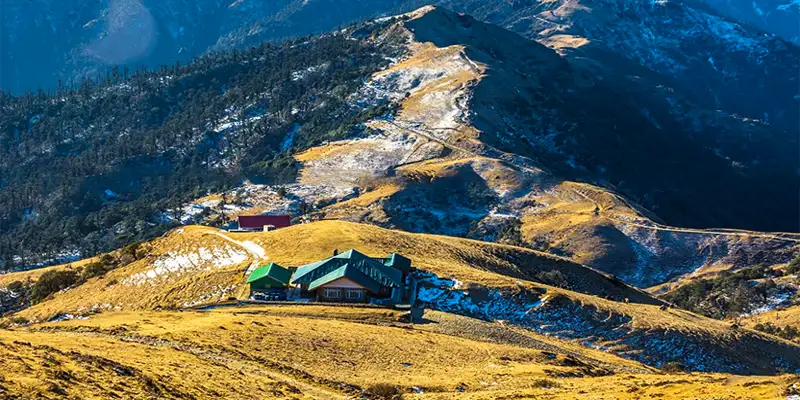
The Sandakphu Trek is one of the most breathtaking treks in the Eastern Himalayas, widely regarded as a bucket-list adventure for mountaineers and nature enthusiasts. Nestled along the Singalila Ridge, Sandakphu stands tall at 11,930 ft, making it the highest peak of West Bengal, and offers an unobstructed panoramic view of four of the world’s highest peaks – Mount Everest (8,848m), Kanchenjunga (8,586m), Lhotse (8,516m), and Makalu (8,463m).
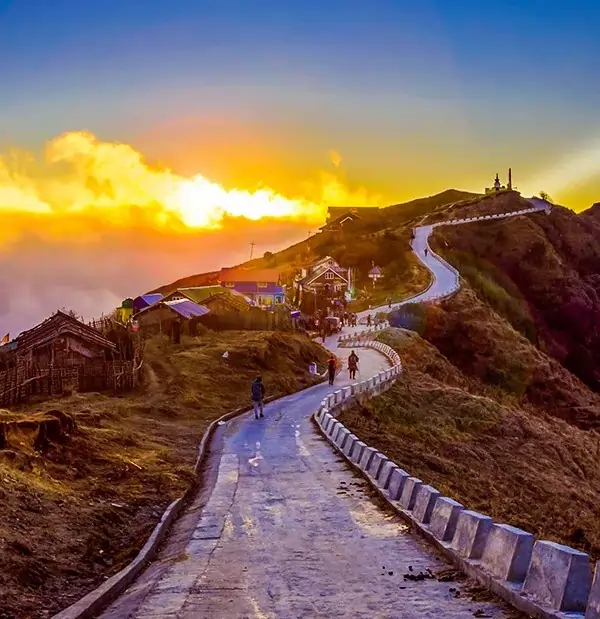
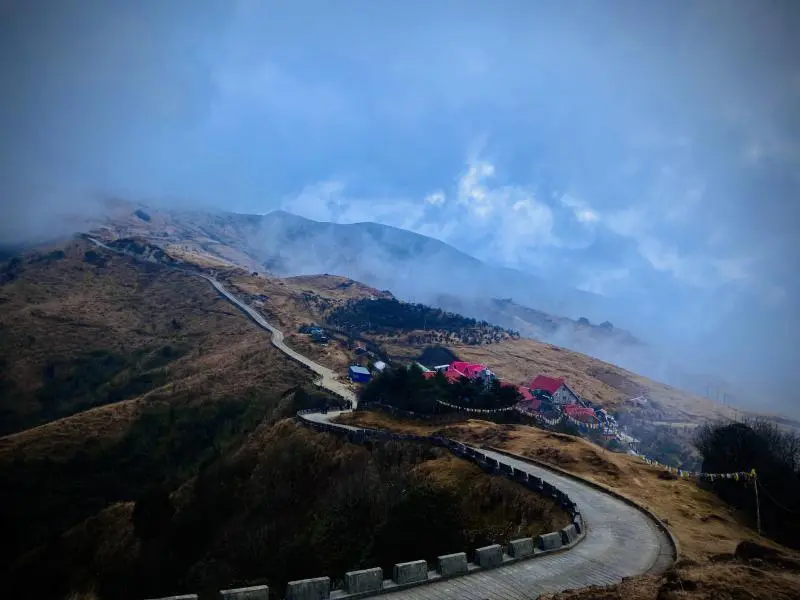
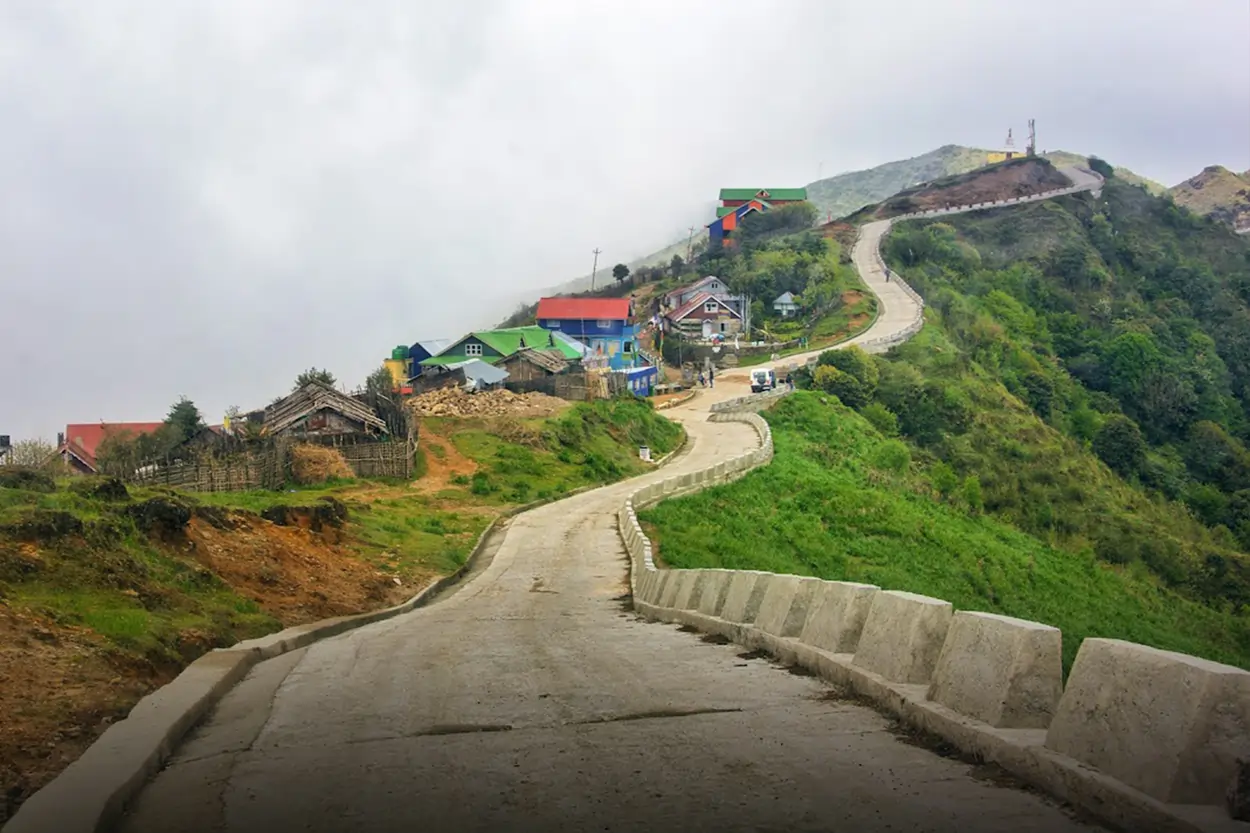
The trail weaves through a mosaic of lush forests, rolling alpine meadows, and quaint Himalayan villages, allowing trekkers to immerse themselves in both the natural beauty and cultural charm of the region. The route crosses the India-Nepal border, making you feel like you are stepping into two countries in a single day. From sunrise over snow-capped peaks to sunsets that turn the Himalayan horizon into a palette of gold and crimson, Sandakphu offers experiences that are as soul-stirring as they are visually spectacular.
Along the trek, you will encounter vibrant rhododendron forests, bamboo groves, and silver fir trees, and may spot wildlife such as red pandas, Himalayan monals, and musk deer in the Singalila National Park, which is home to unique Himalayan flora and fauna. Whether it’s the thrill of trekking along ridgelines, the serenity of untouched meadows, or the joy of connecting with local villagers, Sandakphu is a perfect combination of adventure, nature, and culture.
Quick Facts About Sandakphu TrekTrek Duration: 4 Days / 3 NightsTrek Distance: ~65 km (total)Highest Point: Sandakphu (3,636m)Start/End Point: Manebhanjan, West BengalDifficulty Level: Moderate (suitable for beginners with basic fitness)Best Time to Visit: March-May (Spring), October-November (Autumn)Flora & Fauna: Rhododendron, oak, bamboo, Himalayan birds, red pandas (rare sightings)Accommodation: Camps, mountain lodges, and tea houses along the trail
Best Time to Visit Sandakphu Trek
Spring (March-May)
- Rhododendron forests bloom in vibrant reds, pinks, and whites.- Pleasant temperatures: 10°C – 20°C.- Clear skies offer stunning views of Everest, Kanchenjunga, Lhotse, and Makalu.- Ideal for nature photography and spotting birds and flowing streams.
Autumn (October-November)
- Post-monsoon season with crystal-clear skies.- Crisp temperatures: 5°C – 15°C.- Alpine meadows glow golden, and snow-dusted peaks shine.- Perfect for sunrise and sunset experiences with uninterrupted panoramic views.
Winter (December-February)
- Trekking is possible but challenging due to snow and sub-zero temperatures.- Some trail sections may be inaccessible.- Recommended only for experienced trekkers with proper winter gear.
How to Reach Manebhanjan for Sandakphu Trek
By Air:Bagdogra Airport (~80 km), followed by a 3-hour drive to Manebhanjan.
By Train:NJP Railway Station (~70 km), taxi or shared jeep to Manebhanjan.
By Road:Direct buses and taxis from Siliguri/Bagdogra to Manebhanjan, scenic hill drive through tea gardens and small towns.
Accommodation & Meals During Sandakphu Trek
- Stay in mountain lodges, tea houses, or camps along the trail.- Meals include breakfast, lunch, and dinner prepared with local ingredients.- Hot beverages and packed snacks are provided during trekking hours.
Safety & Emergency Support During Sandakphu Trek
- Experienced trekking guides with local knowledge.- First-aid kits, oxygen cylinders, and an emergency evacuation plan.- Trekking is done in small, manageable groups for safety.- Regular weather and trail condition monitoring.
Himtrek’s Sandakphu Trek Package Price
Himtrek’s Sandakphu Trek package price is ₹11,900 per person. It includes accommodation, meals, professional guides, and trekking support.
 Contact us to book your Sandakphu Trek adventure now.
Walking on the Indo-Nepal Border
One of the most unique experiences of the Sandakphu Trek is the joy of literally walking between two countries. The Singalila Ridge acts as a natural border, and throughout the trail, the route constantly weaves between India and Nepal.
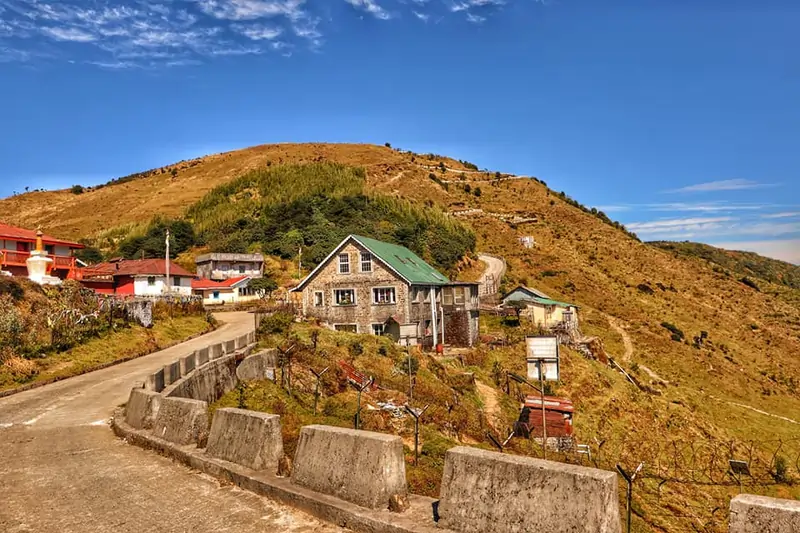
You may find your left foot in India and your right foot in Nepal, a novelty trekkers love. The tea houses you rest in are often managed by Nepalese families, while the checkpoints belong to Indian forest authorities. This effortless blending creates a cultural richness rarely found on other treks.
Small stalls along the way serve warm tea, local bread, noodles, and fresh Dal-Bhat. Most of them are technically in Nepal, so a meal at Tumling or Meghma becomes an international experience without ever showing a passport. The simplicity, warmth, and cross-border camaraderie you witness here make the journey feel beautifully wholesome.



 Back to Treks