Kugti Pass Trek is a challenging high-altitude journey through one of Himachal Pradesh's remote Himalayan landscapes. Located in the Pir Panjal Range, Kugti Pass connects the Bharmour region of Chamba with the Lahaul side of the Himalayas.
The trail takes trekkers from the traditional village landscape around Kugti through forests, alpine meadows, high-altitude camps and increasingly rugged terrain before reaching the pass at approximately 5,050 metres (16,500 ft) above sea level. The route is also associated with the seasonal movement of the Gaddi pastoral communities who have traditionally used mountain routes in this region.
This is not a conventional weekend trek. The combination of altitude, remote terrain, long trekking days and changing mountain conditions makes the Kugti Pass Trek in Himachal Pradesh better suited to trekkers who already have experience with demanding Himalayan routes.
Kugti Pass Trek at a Glance
Trek Name: Kugti Pass Trek
Region: Chamba - Lahaul, Himachal Pradesh
Trek Base: Bharmour / Kugti Region
Highest Point: Kugti Pass - approx. 5,050 m / 16,500 ft
Difficulty: Challenging High-Altitude Trek
Trek Type: High-Altitude Pass Crossing
Route: Bharmour - Kugti - Kugti Pass - Lahaul Side
Best Season: Summer to Early Autumn, subject to route conditions
Landscape: Forests, Meadows, High-Altitude Terrain and Snowfields
Experience Required: Previous Himalayan Trekking Experience Recommended
What Makes the Kugti Pass Trek Special?
The biggest attraction of the Kugti Pass Trek Himachal Pradesh is its character as a genuine mountain crossing rather than a simple out-and-back summit trail.
The journey begins in the Chamba side of Himachal Pradesh, where villages, forests and the Budhil River create a relatively green landscape. As the trail climbs, vegetation becomes sparser and the terrain gradually changes into alpine meadows, rocky slopes and high-altitude mountain country.
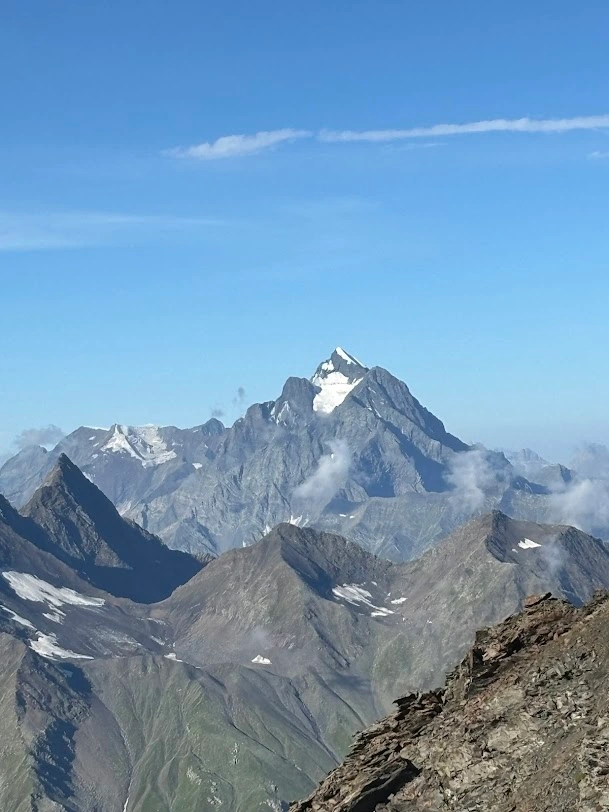
At the pass, the landscape changes again. The greener Chamba side gives way to the more rugged terrain associated with Lahaul, making the crossing feel like a transition between two distinct Himalayan regions.
Where Is Kugti Pass?
Kugti Pass is situated in the Pir Panjal Range of the central Himalayas in Himachal Pradesh. The traditional route connects the Bharmour region of the Chamba valley with the Lahul side around the Chandra-Bhaga river system. The nearest major trekking base on the Chamba side is Bharmour, while Kugti Village serves as an important settlement on the approach.
The remote location is one of the reasons the trek requires more preparation than shorter, high for practical planning, trekkers should prepare for it as a challenging high-altitude developed trekking route.
Kugti Pass Altitude & Height
Kugti Pass reaches approximately 5,050 metres (16,568 feet) above sea level. At this elevation, altitude should be treated as a serious part of the trek rather than simply a statistic.
The route involves substantial elevation gain, and the body needs time to adapt as you move towards the higher camps. A sensible pace, adequate hydration, proper rest and careful monitoring of symptoms are essential.
Kugti Pass Trek Difficulty
The Kugti Pass Trek is a high-altitude and physically demanding trek.
The combination of approximately 5,050 metres of altitude, long trekking days, remote terrain and potentially snowy sections means trekkers should prepare for it as a challenging high-altitude pass crossing. Trekkers interested in other challenging high-altitude pass treks can also explore the Thamsar Pass Trek.
Explore More Himalayan Treks with Himtrek
The difficulty comes from several factors:
High maximum altitude
Long trekking days
Steep ascents and descents
Rocky and uneven terrain
Snow or wet sections depending on season
Remote camps and limited infrastructure
Rapidly changing Himalayan weather
Limited access to immediate medical assistance
Can Kugti Pass Trek be a beginner's trek?
No. Kugti Pass Trek is not recommended as a first Himalayan trek. The route involves high altitude, long trekking days, remote camping and a demanding pass crossing. If you are new to Himalayan trekking, start with a shorter and lower-altitude trek to build experience before attempting a high-altitude pass crossing like Kugti Pass.
Kugti Pass is a challenging pass and trekkers should have prior experience of multi-day trekking in the Himalayas, sustained uphill trekking and camping in remote areas.
Kugti Pass Trek Route
The traditional approach to Kugti Pass begins on the Bharmour side of Chamba and continues towards Kugti Village before entering the higher alpine terrain.
A possible route progression is:
Bharmour → Dharol → Kugti Village → Duggi → Alyas → Kugti Pass → Lahaul side
The exact route, roadhead and campsites can vary depending on weather, snow conditions, local permissions and the operational plan for the specific Himtrek departure.
Bharmour to Kugti Village.
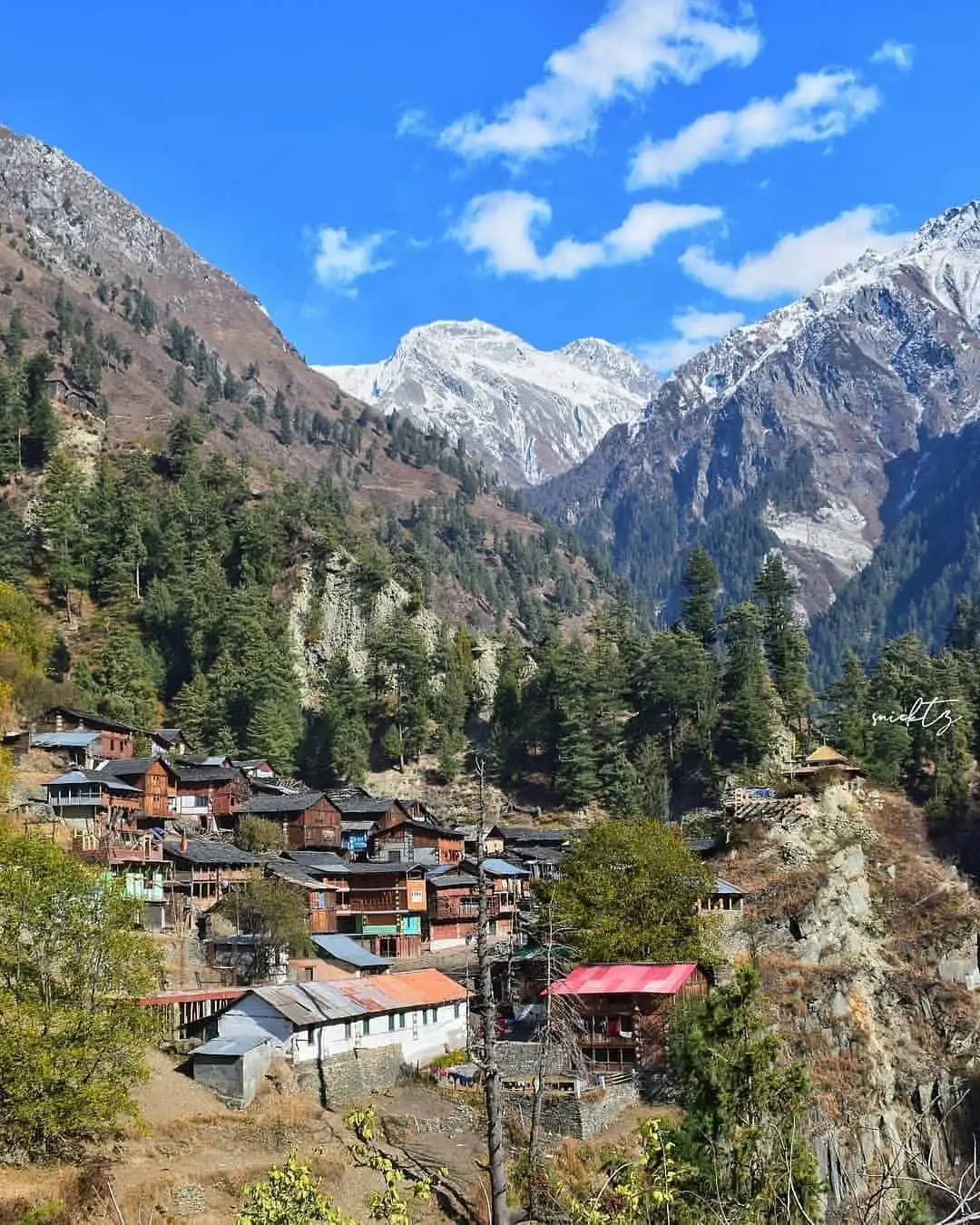
The journey begins from the Bharmour region. After the road approach towards Dharol, the trekking section follows the Budhil River towards Kugti Village. The trail gradually gains elevation through forested terrain before reaching the traditional Gaddi settlement.
Kugti Village to High Camps.
Beyond Kugti Village, the trail becomes more remote as it climbs towards the higher camps. Forest cover gradually gives way to alpine meadows, open mountain terrain and rocky sections. Duggi and Alyas may be used as high camps depending on the final route and current trail conditions.
Crossing Kugti Pass
The pass-crossing day is expected to be the most demanding section of the trek. The trail continues through rugged high-altitude terrain and may encounter snowfields depending on the season. After crossing Kugti Pass, the route descends towards the Lahaul side.
Best Time for Kugti Pass Trek
The ideal time for the Kugti Pass Trek is largely dependent on the snow conditions and the pass's accessibility.
The Kugti Pass route is generally attempted during summer and early autumn, with July to September commonly considered the main trekking window. However, the actual opening period can vary from year to year depending on snow cover, weather and trail conditions.
June to July – Early Season Conditions
August to September - Main Trekking Window
Weather may rapidly change in late summer and early autumn, but more trails may be available with relatively stable weather.
October Onwards - Winter Conditions
Kugti Pass Trek Weather
One of the largest variables on this trek is the weather.
The trekking season can be relatively mild at lower altitudes in the vicinity of Chamba and Kugti. The higher portions have much colder temperatures, higher winds and possible rapid changes in weather.
Even in the summer, one can find snow or freezing conditions near the pass.
Trekkers should carry adequate insulation and waterproof layers because weather conditions can change rapidly at high altitude.
Gaddi Culture & the Traditional Kugti Route
The Kugti region is very close to the Gaddi communities of HP.
The mountain trails in the vicinity of Bharmour were traditionally traversed by the Gaddi pastoralists while they were travelling with their herds. In short, this adds a touch of culture to the Kugti Pass Trek beyond the scenery.
Also, as you pass through Kugti Village, you get a view of a typical mountain village set against a backdrop of the non-commercial tourist towns of Himachal.
Respect local customs, avoid disturbing livestock or communities, and treat villages, cultural sites and religious places as living community spaces rather than tourist attractions.
Landscapes on the Kugti pass trek:
The landscape changes significantly as the trail gains altitude. Depending on the route and season, trekkers may encounter:
Pine and deodar forests
Traditional mountain villages
Apple and other Himalayan orchards
Alpine meadows
Mountain streams
Rocky high-altitude slopes
Snowfields
Glacial terrain
Wide views towards the Lahaul mountains
The transition from the greener Chamba side to the comparatively dry Lahaul landscape is one of the defining visual experiences of the crossing. Trekkers interested in similarly rugged high-altitude landscapes can also explore the Baralacha La Trek.
What to Carry for the Kugti Pass Trek
The packing list for Kugti Pass should be more comprehensive than that of a short Himalayan trek because the route reaches high altitude and passes through remote terrain.
Essential Trekking Gear
Warm fleece or insulated jacket
Thermal inner layers
Trekking pants
Woollen socks
Gloves
Warm cap
Sunglasses with UV protection
Sunscreen and lip balm
Headlamp with spare batteries
Trekking poles
Reusable water bottles
Personal medication
Basic personal toiletries
Small backpack/daypack
High-Altitude & Snow Gear
Depending on the actual route and snow conditions, additional equipment may be required.
This can include:
Technical snow equipment requirements may vary by season and current trail conditions. Confirm the required gear with Himtrek before departure.
Fitness Preparation for Kugti Pass Trek
Preparation should begin several weeks before the trek.
Focus on building:
Cardiovascular endurance
Leg strength
Uphill walking ability
Core strength
Balance
Recovery capacity
Regular stair climbing, brisk walking, running and strength exercises can help prepare your body for long mountain days. If you have never completed a multi-day Himalayan trek, consider gaining experience on a moderate-altitude route before attempting Kugti Pass.
Altitude Safety on the Kugti Pass Trek
At approximately 5,050 metres, altitude is a serious consideration.
Symptoms such as headache, unusual fatigue, dizziness, nausea or breathlessness should not simply be ignored and labelled as normal trekking discomfort.
The safest approach is to report unusual symptoms to your trek leader immediately and follow the team's acclimatisation and descent protocols.
If the team decides that continuing higher is unsafe, the summit attempt should be abandoned. Reaching the pass is never more important than returning safely.
How to Reach Bharmour for the Kugti Pass Trek
Bharmour is the main access point for the Chamba side of the trek.
By Air
When choosing the closest practical airport, the final transport plan must be taken into account. Access to the wider area of Chamba can be made through Kangra/Gaggal Airport near Dharamshala.
By Train
Pathankot is the nearest major railway access point commonly used for reaching the Chamba region. From Pathankot, travellers can continue by road towards Chamba and Bharmour.
By Road
Chamba is well connected by road, and travellers can continue from Chamba towards Bharmour by bus or taxi. The exact reporting point and transport arrangement should be confirmed in the final Himtrek itinerary.
Is the Kugti Pass Trek Safe?
The route is safe to undertake when it is open, the team is suitably equipped and the weather conditions are appropriate for Kugti Pass.
However, the route involves genuine high-altitude and remote-mountain risks.
The key factors are:
High altitude
Remote terrain
Snow and ice
Weather changes
Long trekking days
Limited emergency infrastructure
Difficult evacuation from upper sections
A good trek leader should be ready to alter the course or retreat if it's not safe.
Who Should Do the Kugti Pass Trek?
Kugti Pass Trek is best suited to trekkers who:
Can handle long days of uphill and downhill walking
Are comfortable camping in remote mountain areas
Have good cardiovascular and leg endurance
Understand the challenges of high-altitude trekking
Can follow trek-leader instructions and safety protocols
Are prepared for changing weather and potentially snowy terrain
Kugti Pass Trek Cost
The final Kugti Pass Trek cost for Himtrek should be published only after the complete operational plan is confirmed.
Because this is a remote, high-altitude expedition-style route, the package cost can depend on:
Once Himtrek finalises these components, the price should be displayed prominently along with a transparent inclusions and exclusions section.
Why Choose Himtrek for the Kugti Pass Trek?
Some of the logistics that the operator has to arrange are transportation, camps, guides, equipment, permits, food and contingency planning.
The emphasis should then be on giving the participants an organised trek experience while maintaining safety and realistic expectations as the focus of the trek.
Explore More Himalayan Treks with Himtrek
If Kugti Pass is beyond your current experience level, Himtrek also offers other Himalayan trekking experiences with different difficulty and altitude profiles.
Explore the available trekking options and choose a Buran Ghati Trek that matches your experience, fitness and preferred terrain.
Plan Your Kugti Pass Trek with Himtrek
The Kugti Pass Trek is for trekkers who want to move beyond the more familiar Himalayan trails and experience a remote high-altitude crossing between Chamba and Lahaul.
From the traditional landscape of Kugti Village to the alpine terrain above the treeline and the dramatic crossing of a 5,050-metre Himalayan pass, the journey demands preparation—but rewards trekkers with a very different side of Himachal Pradesh.
If you are experienced, physically prepared and ready for a demanding Himalayan adventure, Kugti Pass could be your next serious mountain crossing. Have questions about the Kugti Pass Trek, route conditions, availability or preparation? Contact Himtrek's trek team before booking.



 Back to Treks